
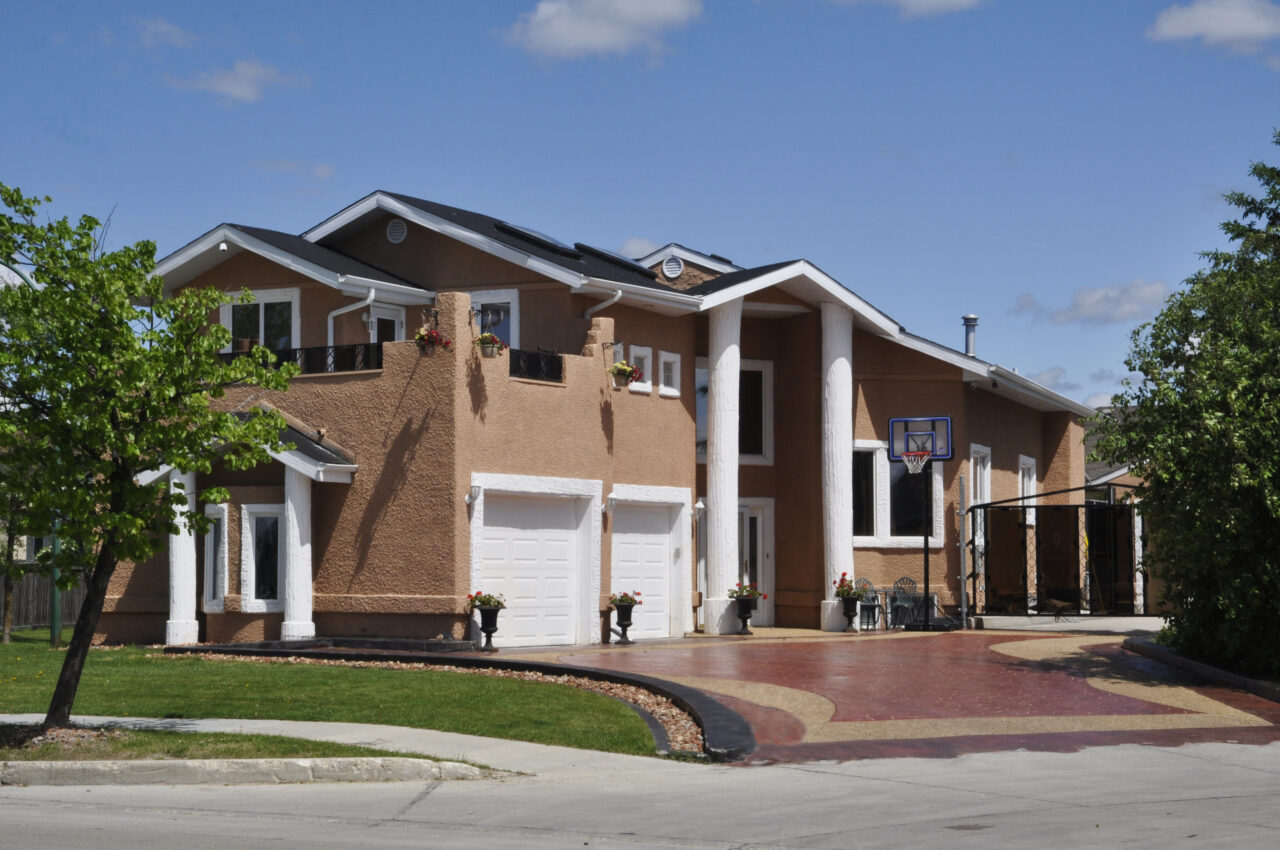
What Should You Expect When Building a Custom Home in Anderson?
Introduction
Building a custom home should be exciting. You’re creating something uniquely yours, designed around how your family actually lives. But for most people, the excitement comes mixed with anxiety. The process feels mysterious, the timeline unclear, and the budget unpredictable.
That uncertainty isn’t inevitable. It’s a symptom of poor communication and lack of structure in how many builders operate. When you understand what happens at each phase of the custom home building process in Anderson, SC, the mystery disappears. Decisions become easier. Stress drops. And you can actually enjoy watching your home take shape.
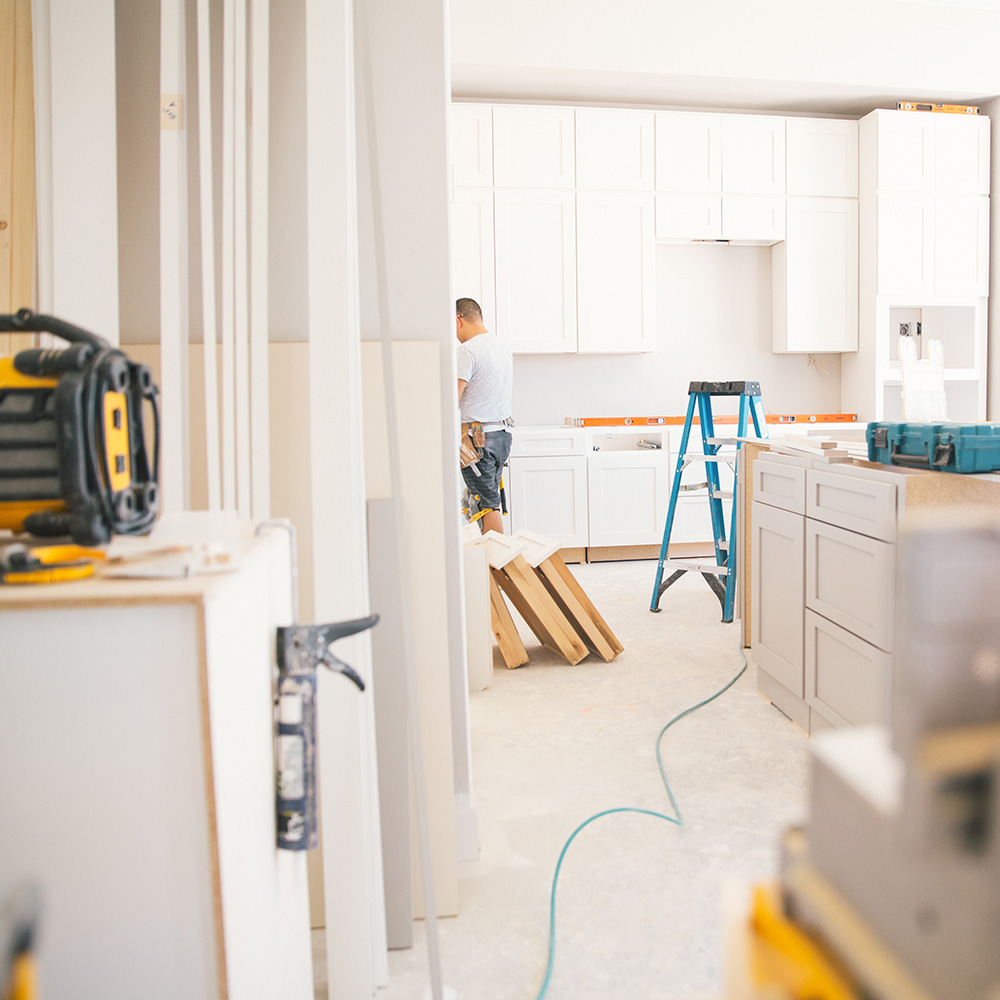
Caba Homes has guided families throughout Anderson, Lake Hartwell, Lake Keowee, and Upstate South Carolina through the custom home building process for more than a decade. Their transparent 3-step approach eliminates the guesswork that makes building stressful for so many homeowners.
If you’re considering a custom home and want to understand what’s actually involved, this guide walks you through every phase. And when you’re ready to start the conversation, schedule a consultation with Caba Homes to see how the process works firsthand.
Key Takeaways:
- The custom home building process in Anderson, SC typically spans 12-18 months from initial conversation to move-in day
- Transparent builders establish detailed pricing before construction begins, eliminating surprise costs during the build
- Clear communication at every phase prevents the frustration and distrust that plague many custom home projects
- Understanding what happens at each stage helps you make better decisions and actually enjoy the building experience
Why the Building Process Feels So Overwhelming
Custom home building involves hundreds of decisions, dozens of tradespeople, and a timeline measured in months. Without structure, it’s chaos. Unfortunately, chaos is what many homeowners experience.
The problem usually starts with poor upfront communication. Some builders provide vague estimates and figure out the real numbers as they go. Others rush through the design phase, leaving clients to make critical decisions on the fly during construction. Many simply don’t explain what’s happening or why, leaving homeowners feeling ignored while major work progresses.
This approach breeds the horror stories you’ve probably heard. Budgets that balloon 20% or 30% beyond initial quotes. Timelines that stretch months past promised completion dates. Finishes that don’t match expectations because selections were rushed or miscommunicated.
None of this is necessary. The custom home building process can be structured, predictable, and even enjoyable when builders prioritize transparency from the start. The key is finding a builder whose process addresses these problems before they occur.
Phase One: The Conversation and Site Evaluation
Every custom home starts with a conversation. Before designs are drawn or budgets are set, a good builder wants to understand who you are and how you live.
What Happens During Initial Meetings
The first meeting isn’t about floor plans. It’s about lifestyle. How does your family spend mornings? Do you entertain frequently or prefer quiet evenings at home? Do you work from home and need dedicated office space? Are you planning to age in place, or will this be a 10-year home before the next chapter?
These questions shape everything that follows. A home designed for a young family with three kids looks different than one designed for empty nesters. A weekend lake house has different priorities than a primary residence. Understanding these patterns before design begins prevents expensive changes later.
Evaluating Your Lot
If you already own land, the next step is walking the property together. Lot conditions affect design possibilities, budget, and timeline. Slope impacts foundation requirements and costs. Orientation determines how the home captures natural light and views. Soil conditions influence site preparation. Access affects construction logistics.
For lakefront properties on Lake Hartwell or Lake Keowee, site evaluation also includes understanding shoreline setbacks, dock possibilities, and how to position the home for optimal water views.
If you’re still searching for land, experienced builders can help evaluate potential lots before you purchase. This prevents the disappointment of buying property that can’t accommodate your vision or budget.
Honest Assessment
The most important part of this early phase is honest conversation about whether your goals and budget align. Good builders won’t tell you what you want to hear just to win the project. If your dream home costs $800,000 and your budget is $500,000, it’s better to know that now than after months of design work.
Caba Homes calls this first phase “Talk & Tour.” It’s designed to establish mutual understanding before anyone invests significant time or money. Learn more about the Caba difference.
Phase Two: Design, Selections, and Pricing
With goals understood and the site evaluated, the design phase transforms ideas into concrete plans. This is where your custom home starts taking shape on paper before it takes shape in reality.
Developing the Floor Plan
Floor plan development translates lifestyle needs into architectural solutions. How many bedrooms and bathrooms do you need? What size kitchen fits your cooking style? Do you want formal spaces or casual open-concept living? Where should the primary suite sit relative to other bedrooms?
Good designers balance wishlist items against practical constraints. Lot size and shape limit possibilities. Budget affects square footage and complexity. Building codes dictate certain requirements. The goal is a plan that captures your priorities while working within real-world limitations.
Making Selections
Custom homes require hundreds of individual selections. Cabinets, countertops, flooring, tile, fixtures, appliances, paint colors, lighting, hardware, doors, trim details. The list goes on.
Structured builders guide you through selections in logical sequence, grouping related decisions together. Exterior materials get finalized before interior work begins. Cabinet layouts are set before countertop materials are selected. Each decision builds on previous ones.
This approach prevents the overwhelm that comes from facing all decisions at once. It also ensures selections happen early enough to avoid construction delays. Rush decisions made during framing rarely produce the results homeowners want.
Transparent Pricing
Here’s where the custom home building process differs dramatically between builders. Some provide rough estimates and reveal true costs through change orders during construction. Others establish detailed pricing upfront and stick to it.
Transparent pricing means you know exactly what’s included before signing a contract. Line-item budgets show costs for every element: foundation, framing, roofing, electrical, plumbing, HVAC, finishes, fixtures, landscaping. Allowances for selections are realistic, not artificially low numbers that guarantee overages.
This approach requires more work upfront from the builder. It’s easier to quote low and bill high later. But transparent pricing eliminates the budget surprises that create distrust and stress during construction.
Phase Three: Construction From Groundbreaking to Move-In
With plans finalized and contracts signed, construction begins. This phase is what most people picture when they think about building a home. But even here, process and communication separate good experiences from frustrating ones.
Site Preparation and Foundation
Construction starts with preparing the lot. This may include clearing trees, grading the land, and establishing access for construction vehicles. Foundation work follows, with the approach depending on your lot conditions and home design. Crawl spaces, slabs, and basements each have appropriate applications.
Foundation work may not feel exciting, but it’s critical. What happens below ground affects everything above. Proper drainage, appropriate footings, and quality concrete work create the stable base your home needs.
Framing and Structural Work
Framing transforms your floor plan from paper into three-dimensional reality. This is when the home’s shape emerges. Walls go up. Roof trusses are set. Window and door openings appear. It’s often the most dramatic phase visually, with significant daily progress.
Structural inspections happen during framing, before walls get closed in. This ensures load-bearing elements are properly installed and code requirements are met. It’s also an opportunity for a walkthrough with your builder to see the spaces taking shape.
Systems Installation
With the structure complete, mechanical systems get installed. Electrical wiring runs through walls. Plumbing pipes are positioned. HVAC ductwork is routed. These systems remain hidden once drywall goes up, so this phase includes inspections to verify everything is installed correctly.
Decisions about outlet placement, light switch locations, and thermostat positioning happen now if they weren’t finalized during design. Walking the framed home helps visualize these practical details.
Interior and Exterior Finishing
Finishing work brings your selections to life. Drywall creates smooth walls. Cabinets are installed. Countertops are templated and set. Flooring goes down. Trim work adds detail. Paint transforms spaces. Fixtures and appliances complete the picture.
Exterior finishing happens simultaneously. Siding or brick, roofing completion, exterior trim, and painting establish your home’s curb appeal. Driveways, walkways, and landscaping follow.
Final Walkthrough and Move-In
Before move-in, you’ll walk through the completed home with your builder. This walkthrough generates a punch list of any items needing attention. Minor touch-ups, adjustments, and corrections get addressed before you take possession.
Then comes the moment the entire process has been building toward. Keys in hand, you walk into your completed custom home. The choices you made, the patience through construction, the investment of time and money all culminate in this space designed uniquely for your family.
Explore the complete Caba Homes process for more detail on each phase.
How Long Does Building a Custom Home Take?
Timeline is one of the most common questions for anyone considering the custom home building process in Anderson, SC. The honest answer: it depends, but realistic expectations prevent frustration.
Pre-Construction Timeline
The period from initial conversation through contract signing typically spans 2-6 months. Complex designs, difficult lots, or extensive customization extend this phase. Simpler projects move faster. This time invested upfront pays dividends during construction through fewer changes and clearer expectations.
Permitting adds additional time, typically 2-6 weeks in Anderson and surrounding areas. Lakefront properties on Lake Hartwell or Lake Keowee may require additional approvals that extend this timeline.
Construction Timeline
Active construction for a custom home in Upstate South Carolina typically requires 10-14 months. Larger homes, complex designs, and challenging sites extend toward the higher end. Weather delays affect all outdoor work phases.
Some builders quote aggressive timelines to win contracts, then make excuses when reality doesn’t match promises. Honest builders set realistic expectations from the start, including a buffer for inevitable weather and minor delays.
Total Timeline
From first meeting to move-in day, expect 14-20 months for most custom home projects in Anderson and Upstate SC. Rushing this timeline rarely produces good outcomes. Quality craftsmanship takes time.
What Makes the Difference: Communication Throughout
The technical phases of construction matter less to your experience than how well your builder communicates through them. The difference between an enjoyable build and a stressful one often comes down to whether you feel informed and in control.
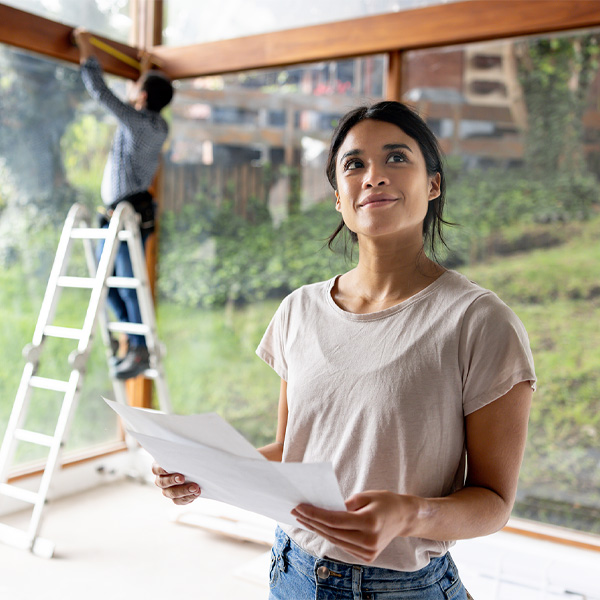
Good builder communication includes regular progress updates, advance notice before key decisions are needed, prompt responses to questions, and honest assessments when problems arise. You should never wonder what’s happening with your project or feel surprised by developments.
Caba Homes prioritizes this communication through their entire process. From the first conversation through the final walkthrough, homeowners stay informed about what’s happening, what comes next, and how the project is tracking against timeline and budget.
“The Caba team walked us through every step. We always knew what was happening and what came next. No surprises.” – Anderson Homeowner
“As first-time custom home builders, we were nervous about the process. Caba made it straightforward and even enjoyable.” – Lake Keowee Homeowner
“The transparent pricing was what sold us. We knew exactly what we were getting and what it cost before they broke ground.” – Greenville Homeowner
Your Next Step
Understanding the custom home building process is the first step. The next step is finding a builder whose approach matches your expectations for communication, transparency, and quality.
Caba Homes offers free consultations for homeowners throughout Anderson, Lake Hartwell, Lake Keowee, Greenville, and the surrounding Upstate South Carolina communities. Whether you’re ready to start immediately or still months away from breaking ground, a conversation will help you understand exactly what building with Caba looks like.
Schedule Your Free Consultation with Caba Homes
Frequently Asked Questions
How much does it cost to build a custom home in Anderson, SC?
Custom home costs in Anderson and Upstate SC typically range from $200 to $400+ per square foot depending on design complexity, finish levels, and site conditions. A 2,500 square foot custom home might range from $500,000 to $1,000,000 or more. Caba Homes provides detailed pricing during the design phase so you understand your specific project costs before construction begins.
How long does it take to build a custom home in Anderson?
The complete custom home building process from initial meeting to move-in typically spans 14-20 months. This includes 2-6 months for design and permitting plus 10-14 months of active construction. Complex projects, challenging sites, or extensive customization may extend these timelines.
What should I have ready before meeting with a custom home builder?
Having a general budget range, preferred location or lot, and ideas about size and style helps initial conversations be productive. You don’t need detailed floor plans or finalized decisions. Good builders help you develop these details through the design process.
Do I need to own land before talking to a builder?
No. Many homeowners begin conversations with builders while still searching for land. Experienced builders can help evaluate potential lots and advise whether they’re suitable for your goals and budget before you purchase.
What’s included in a custom home building contract?
Contracts should include detailed scope of work, line-item pricing, payment schedule, timeline expectations, allowances for selections, warranty terms, and change order procedures. Transparent builders provide comprehensive contracts that leave no ambiguity about what’s included.
How do I avoid budget overruns during construction?
Budget overruns typically result from inadequate upfront planning, unrealistic allowances, or scope changes during construction. Choosing a builder who establishes detailed pricing before groundbreaking significantly reduces this risk. Minimizing changes once construction begins also helps control costs.
About the Author
The Caba Homes Editorial Team brings more than a decade of custom home building experience to every piece of content they create. Based in Anderson, SC, the team has guided hundreds of families through the custom home building process throughout Upstate South Carolina, including Lake Hartwell, Lake Keowee, and Greenville. Their expertise spans every phase of construction, from initial site evaluation through final walkthrough, with particular focus on the transparent communication and detailed planning that make building experiences positive rather than stressful. For questions about building a custom home in Upstate South Carolina, contact Caba Homes at (888) 353-1117 or visit cabahomes.com.
