


Why Custom Home Projects Get Delayed in Anderson, SC (And How to Protect Your Timeline)
Introduction
Ask anyone who’s built a custom home. You’ll hear some version of the same sentence: “It took way longer than we expected.”
A family plans to move in before the school year starts. They end up packing boxes into a rental the following February. An extra five or six months of mortgage payments, storage fees, and kids changing schools twice. The stress of living in limbo while the finish date keeps sliding further out, always “just a few more weeks.”
Over coffee a few weeks back, I was talking with a guy who builds decks and fences around town. Mutual friends had connected us because we’re both in construction. Halfway through the conversation, he stopped me and said, “I wish I’d known you before my friend started their renovation. It was supposed to be a year-long project. They’re on year three.”
Stories like that aren’t unusual. And the fear they produce is the last of the five fears every custom home client in Upstate SC faces. The fear of a project that stops feeling like a build and starts feeling like a life sentence.
Key Takeaways
- Custom home delays come from two different buckets: things the builder can control and things nobody can control. The best builders own both.
- Controllable delays come from unrealistic schedules, incomplete milestone planning, and late client decisions. Most are preventable with discipline.
- Uncontrollable delays (weather, trade shortages, backorders) can’t be eliminated, but they can be absorbed with buffer time and proactive communication.
- A good builder doesn’t promise zero delays. They promise a realistic schedule, visible progress, and honest updates when something slips.
Why Custom Home Delays Happen
Construction delays have a lot of possible causes. Some sit squarely on the builder’s desk. Others are outside anyone’s control. The difference between a well-run project and a nightmare is usually whether the builder acknowledges both categories honestly and plans for them up front.
Delays the Builder Can Control
Unrealistic schedules. Some builders quote aggressive timelines to win the job. On paper, the project looks fast and clean. The reality catches up quickly. Every custom home comes with its own complications: site access, soil conditions, design complexity, a renovation happening while the family still lives in the house. A schedule that ignores those variables isn’t ambitious. It’s just wrong.
Incomplete milestone planning. A single completion date isn’t a schedule. It’s a hope. A real schedule breaks the build into tracked milestones: foundation, framing, rough-ins, inspections, drywall, finish work, final walkthrough. It also ties selection deadlines and inspections to those milestones so nothing falls through the cracks. Without that structure, small delays snowball before anyone notices.
Selection and decision delays. This one surprises a lot of homeowners. A meaningful percentage of custom home delays don’t come from construction itself. They come from waiting on decisions. Every flooring choice, lighting fixture, cabinet finish, and paint color has a deadline tied to a trade’s work window. Miss the flooring deadline and you’ve just delayed the trim carpenter, who was scheduled after the floors went in, who now pushes the paint crew, who now pushes the final inspection.
One missed decision can ripple through a schedule for weeks. The fix isn’t heroic client discipline. It’s a builder who flags decisions early, provides options, and walks you through choices before the deadline becomes a crisis.
Delays the Builder Can’t Control
Trade and material shortages. Even perfect planning can’t force a cabinet supplier to deliver on time if their factory is backed up, or pull a windows order off a container ship that’s sitting outside the Port of Charleston. NAHB data shows delays have become more common in 2024 and 2025 due to labor shortages and supply chain disruptions. No builder can prevent those shocks. What a good builder can do is see them coming fast, communicate honestly, and identify alternatives to keep the project moving.
Weather and site surprises. Anderson County sees its share of wet springs and summer thunderstorm runs that can stall foundation pours or slow exterior work. Hidden site conditions (rock, unstable soil, underground surprises during renovations) can add days or weeks that no one could have known about from the plans alone. These aren’t failures. They’re part of building on real ground, not on paper.
The key isn’t eliminating every delay. That’s impossible. The key is picking a builder who minimizes the delays they can control and plans wisely for the ones they can’t.
The Consequences of a Schedule That Keeps Slipping
A timeline that keeps sliding doesn’t just feel frustrating. It costs real money and disrupts real lives.
Financial strain. Carrying a second mortgage or extending rent on a temporary place. Paying for storage units month after month. Construction loan interest that quietly piles up every week the build runs long. A six-month delay can easily add twenty or thirty thousand dollars to the true cost of a home, and that’s before you factor in the lost time.
Family disruption. Living out of boxes. Kids starting the school year in a rental and finishing it in the new house (or vice versa). Holidays hosted somewhere nobody wanted to host them. The accumulated disruption wears families down in ways that are hard to quantify but impossible to ignore.
Loss of trust. When delays aren’t explained clearly, you start to wonder if the builder is actually in control. Small slips chip away at confidence. By the time the third “just a few more weeks” update arrives, the whole relationship has shifted from partnership to doubt. And once that trust is gone, even legitimate explanations start to feel like excuses.
What should be an exciting countdown to move-in day turns into an endless waiting game where nobody wants to commit to a real date anymore.
The free Caba Homes guide, Don’t Start Building Until You Read This, walks through the scheduling conversations to have with any builder before you sign a contract.
What to Look For in a Builder Who Protects Your Timeline
You can’t eliminate delays. You can choose a builder who minimizes them with discipline and honesty. Here’s what that looks like in practice.
Realistic scheduling grounded in real data. The schedule should be built from the builder’s actual experience with similar projects, not a sales pitch designed to make you feel good. Ask to see a schedule from a past build with actual progress dates compared to planned dates. A builder who can show you that comparison (and explain what drove any variance) is a builder who takes schedule management seriously.
Milestone tracking with visible progress. You should be able to see where the project stands at any moment. Caba Homes runs every project through JobTread, which shows the current milestone, upcoming tasks, and completed work in one dashboard. No guessing. No asking. Just a current picture any time you want it.
Decision guidance with real lead time. Good builders flag upcoming selections two to three weeks before the deadline, not two days. That gives you time to actually look at options, drive to showrooms, or consult with your designer before the pressure hits.
Buffer time built into the schedule. A professional schedule includes built-in buffer for weather, inspections, and supplier variance. That buffer doesn’t extend the timeline artificially. It absorbs the inevitable small delays so they don’t cascade into big ones.
Transparent updates when something slips. Delays happen. What separates good builders from bad ones is how fast they tell you, how clearly they explain the cause, and whether they bring a plan or just an apology. The best builders deliver the problem, the impact, and the recovery plan in the same conversation.
Honest timeline conversations before you sign. A builder who hedges on schedule during the sales process is telling you something important. Better to have a frank conversation now about realistic timelines than to get an aggressive quote that can’t hold up.
What a Well-Managed Timeline Feels Like
Picture the middle of your build. You know framing wrapped up last week because you saw the photos in your JobTread dashboard. You know the electrical rough-in starts next Tuesday because it’s been on the schedule for a month. You know the tile selection is due on the 17th because your project manager flagged it three weeks ago and offered showroom recommendations the same day.
When something does go sideways (a backordered window, a rainy week that delays an exterior task, a supplier that pushed a delivery by ten days), you find out the same day. You get the issue, the impact on your schedule, and the recovery plan in one conversation. You might be disappointed. You’re not blindsided. You’re not waiting three weeks to hear what’s happening.
That’s the difference a disciplined builder makes. Not zero delays, but no surprises.
One of Caba Homes’ longtime clients described the team as “organized and punctual.” That language shows up in reviews because the reality shows up on job sites.
Questions to Ask Your Builder About Schedule
Bring these to every builder interview:
- How do you build your project schedules — are they based on real data from past projects like mine?
- Can I see a past project’s planned schedule compared to actual completion dates?
- How will I know what decisions are coming up and when they’re due?
- What happens if a weather delay or material backorder hits mid-project?
- How often will I receive schedule updates, and in what format?
- What’s a realistic timeline for a project of my scope?
Vague answers are the tell. Builders with disciplined schedules can speak to each of these specifically, often with examples from recent jobs.
Wrapping Up the Series: Building With Confidence Instead of Fear
Over the course of this series, we’ve walked through the five fears that show up in almost every custom home project in Upstate South Carolina.
- Choosing the wrong builder
- Poor communication
- Going over budget
- A chaotic, disorganized build
- Project delays that keep pushing move-in further out
Every one of these fears is valid. They show up because most homeowners have heard the stories or lived a version of them on a smaller project. The common thread in overcoming them isn’t luck or hope. It’s working with a builder whose systems, transparency, and character were built around the homeowner’s experience from day one.
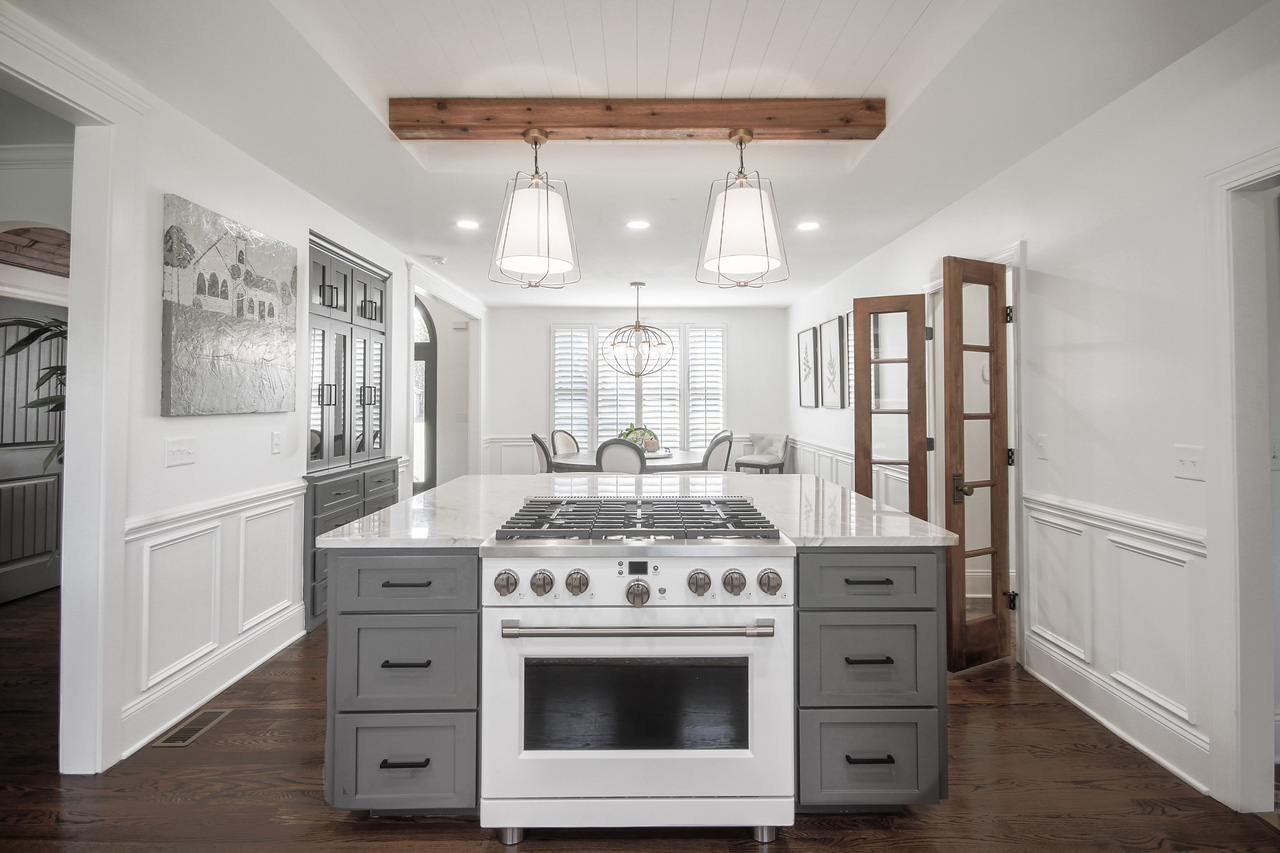
A great custom home isn’t just a great finished product. It’s a process that felt good to go through, a relationship that stayed intact, and a home you’re excited to live in from the day you walk in the door.
Your Next Step
If you’ve read this whole series and you’re ready to talk about what building your custom home might actually look like, schedule a free consultation with Caba Homes. We’ll walk through your vision, your lot, a realistic budget range, and a realistic timeline. You’ll get every question in this series answered with specifics, and you’ll leave with enough clarity to make a confident next step whether you end up building with us or with someone else.
Call (864) 712-4566 or email info@cabahomes.com to get on the calendar.
Frequently Asked Questions
How long does a custom home take to build in Anderson, SC?
Most custom homes in the Anderson area run 10 to 14 months from the start of active construction. Add another 2 to 4 months for pre-construction design, budgeting, and permitting. Larger or lakefront builds on Lake Hartwell or Lake Keowee can stretch to 18 months or more. A realistic schedule from day one is the best protection against timeline surprises.
What causes most custom home project delays?
Three categories: unrealistic initial schedules, late client selections, and external factors like weather, material backorders, or trade shortages. The first two are controllable with disciplined planning. The third isn’t, but the best builders absorb it with buffer time and proactive communication.
How much buffer should be built into a custom home schedule?
Most experienced builders include 10% to 15% buffer time on top of their base schedule to absorb weather, inspections, and supplier variance. That buffer doesn’t extend the timeline artificially. It prevents small delays from cascading into big ones.
What should I do if my custom home project is running behind?
Ask for a written update with three things: the cause of the delay, the revised completion date, and the recovery plan. A good builder provides all three without being asked. If you’re getting vague answers or missing information, that’s a structural problem worth escalating to the builder’s owner or principal.
Does Caba Homes share project schedules with clients?
Yes. Every Caba Homes project runs through JobTread, which gives clients real-time visibility into the schedule, milestones, selections, and progress photos. You can see where your project stands from your phone any time, without having to chase anyone down.
How does communication with your builder prevent delays?
Most delays surface late because no one raised them early. A builder who checks in weekly, shares schedule updates in writing, and flags problems the day they appear keeps small issues from turning into weeks of lost time. Here’s a deeper look at how communication with your custom home builder shapes the whole project.
About Caba Homes
Caba Homes is a custom home builder and renovation company serving Anderson, Lake Hartwell, Lake Keowee, Lake Secession, and Greenville, SC. Founded by Stephen Jones, a T.L. Hanna graduate, father of four, and board member of the Home Builders Association of Anderson, the team has spent more than a decade building forever homes across Upstate South Carolina with an emphasis on transparency, quality craftsmanship, and a process that keeps homeowners informed every step of the way. Reach the team at (864) 712-4566, info@cabahomes.com, or cabahomes.com.
