
Buying Land in Anderson, SC: How to Choose the Right Lot to Build On
Before a single wall goes up, every custom home starts with a piece of land. Choosing the right lot is one of the most important decisions you will make, and it is also one of the easiest to rush. A beautiful view or a low asking price can hide problems that add tens of thousands of dollars to your build or, in the worst cases, make a property impossible to build on at all. In a market like Anderson, South Carolina, where rolling terrain and the shoreline of Lake Hartwell create both opportunity and complication, knowing what to check before you buy is essential.
This guide walks through exactly what to evaluate when buying land in Anderson, from zoning and utilities to soil and access, so the lot you choose becomes the foundation of a smooth custom home build rather than a source of costly surprises.
Know What Kind of Lot You Are Buying
Not all land is equally ready to build on, and the category a lot falls into affects both your timeline and your financing. A raw lot has no improvements at all, meaning no cleared access, no utilities, and often no guarantee that building is even feasible without significant work. An unimproved lot may have road access but still lacks utility connections, which creates delays and can make lenders hesitant. A build-ready lot has utilities, access, and clearances in place so that construction can begin quickly and financing tends to be simpler.
Understanding which type you are considering sets realistic expectations. A bargain-priced raw lot can end up costing more than a build-ready one once you factor in clearing, grading, and running utilities to the site.
Confirm Zoning and Deed Restrictions
Just because a lot is for sale does not mean you can build the home you want on it. Anderson County and the City of Anderson each maintain zoning rules that govern what can be built and where, including minimum lot sizes and setback distances that dictate how far your home must sit from property lines and roads. Before you commit, confirm that residential construction is permitted and that your planned home will fit within the required setbacks.
Deed restrictions and homeowners association covenants add another layer. These private rules can control everything from square footage minimums and exterior materials to fences, outbuildings, and even parking. Always request copies of any covenants and HOA documents so you know the full set of rules before you buy, not after.
Check Utilities, Water, and Septic
Utility access is where raw land often reveals its true cost. Confirm the availability of electricity, water, sewer, and internet at or near the property. If municipal sewer service is not available, which is common on more rural Anderson parcels, you will need a septic system, and that brings an important step of its own.
In South Carolina, a site must pass an environmental evaluation before a septic permit is issued. This includes a soil and percolation assessment that determines whether the ground can properly absorb wastewater. If the soil fails, you may face expensive alternative systems or, in some cases, an unbuildable lot. Similarly, if public water is unavailable, you will need to budget for a well. Verifying these systems before purchase protects you from buying land that cannot support the home you have in mind.
Study the Land Itself
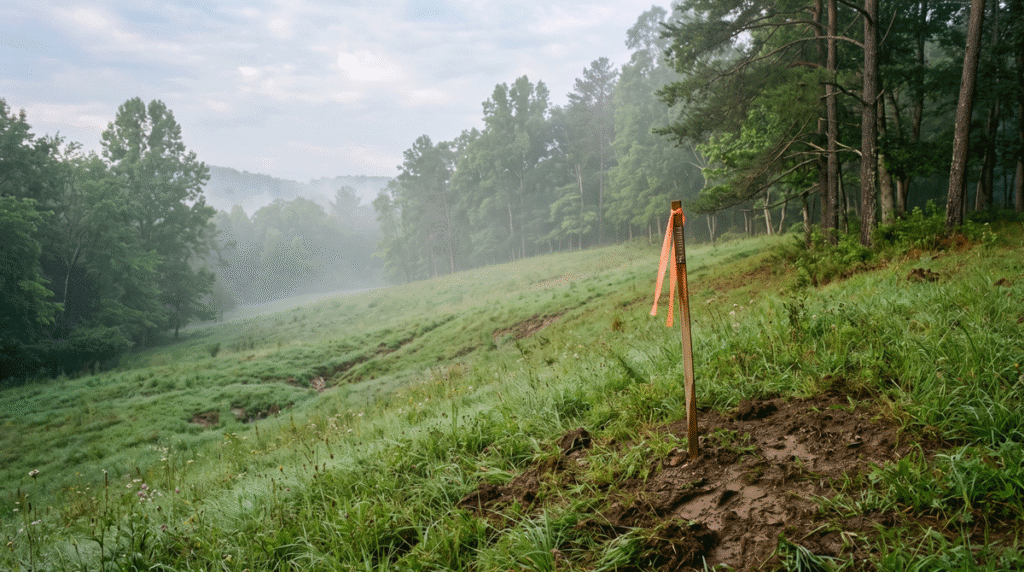
The physical characteristics of a lot shape both your design and your budget. Steep slopes may create stunning views, especially near Lake Hartwell, but they also increase the cost of grading, foundations, and drainage. Low-lying areas can hold water and complicate construction. Walking the land in person, ideally after a rain, tells you a great deal that a listing photo never will.
Flood risk deserves particular attention in a lake community. Check the property against FEMA flood maps and favor lots outside high-risk flood zones. Building in a flood zone is possible but adds insurance costs and construction requirements. Waterfront and near-water parcels around Lake Hartwell carry additional shoreline and setback considerations, so extra diligence pays off there.
Verify Access, Survey, and Title
A lot is only useful if you can legally reach it. Confirm that the property has proper road frontage or a legally recorded access easement, and avoid landlocked parcels that depend on crossing someone else’s land without a firm agreement. A property that looks accessible on a map can still carry access complications in its paperwork.
Commission a current professional survey rather than relying on an old one, and make sure you are named in the surveyor’s certificate so you are protected against boundary disputes. A survey confirms the exact boundaries, identifies easements that may run through the property, and shows where you can and cannot build. Finally, have a title search performed to ensure there are no liens or unpaid debts attached to the land, because those obligations can transfer to you if they are missed.

Budget for the Hidden Costs of Raw Land
The purchase price of a lot is rarely the full cost of getting it ready to build. Clearing trees, grading uneven ground, extending utilities from the road, drilling a well, installing a septic system, and building a driveway can all add substantial expense. Lenders also tend to require larger down payments on land, often around 30 percent for build-ready lots and more for raw parcels, because undeveloped land carries higher risk.
Working with an experienced local builder before you buy can save you from an expensive mistake. A builder who knows the Anderson area can walk a property with you, flag red flags you might miss, and give you a realistic estimate of site costs. That input is one of the most valuable steps in the entire process, and it fits naturally into a well-planned building process that starts long before construction day.
Choose Your Lot With Expert Guidance
Buying land in Anderson, SC is far more than finding a pretty view at the right price. The right lot is one where zoning allows your plans, utilities and septic are feasible, the terrain suits your design, access and title are clear, and the hidden site costs fit your budget. Get those things right, and your land becomes a genuine head start on your dream home. Get them wrong, and even the most beautiful parcel can turn into a frustrating, costly setback.
At Caba Homes, we help homeowners evaluate land throughout Anderson and the surrounding Upstate before they buy, so the lot you choose truly works for the home you want. Browse our portfolio of completed homes to see what is possible on a well-chosen site, then contact our team to talk through a property you are considering. A short conversation now can save you from a major regret later.
Frequently Asked Questions
How do I know if a lot in Anderson, SC is suitable for building?
Verify zoning permits residential construction. Check that your home complies with setbacks. Ensure utilities or a viable septic and well system are available. With a soil evaluation, a current survey, and a property walk by an experienced builder, you gain a clear assessment. It confirms if the lot is truly buildable.
Do I need a percolation test before buying land in South Carolina?
If the property uses a septic system rather than public sewer, the site must pass an environmental and soil evaluation. Completing this assessment before closing protects you from buying land that cannot support a septic system. Arrange this assessment before you close. It protects you from buying land that cannot support a septic system and the home you plan to build.
How much should I budget for land plus site preparation?
Beyond the purchase price, plan for clearing, grading, utility connections, a well or septic system if needed, and a driveway. Site costs differ by property. A build-ready lot with utilities generally costs less overall than a raw parcel needing extensive work.
Should I buy the lot before choosing a builder?
It is usually wise to involve a builder before you purchase. A local builder can assess a property for hidden problems. They can estimate site costs and confirm the plans fit the lot. This helps you avoid buying land that is more expensive to develop.
